ClickCease Alternatives: 5 Options Compared for 2026
The LeadShield.ai Team · 20 July 2026
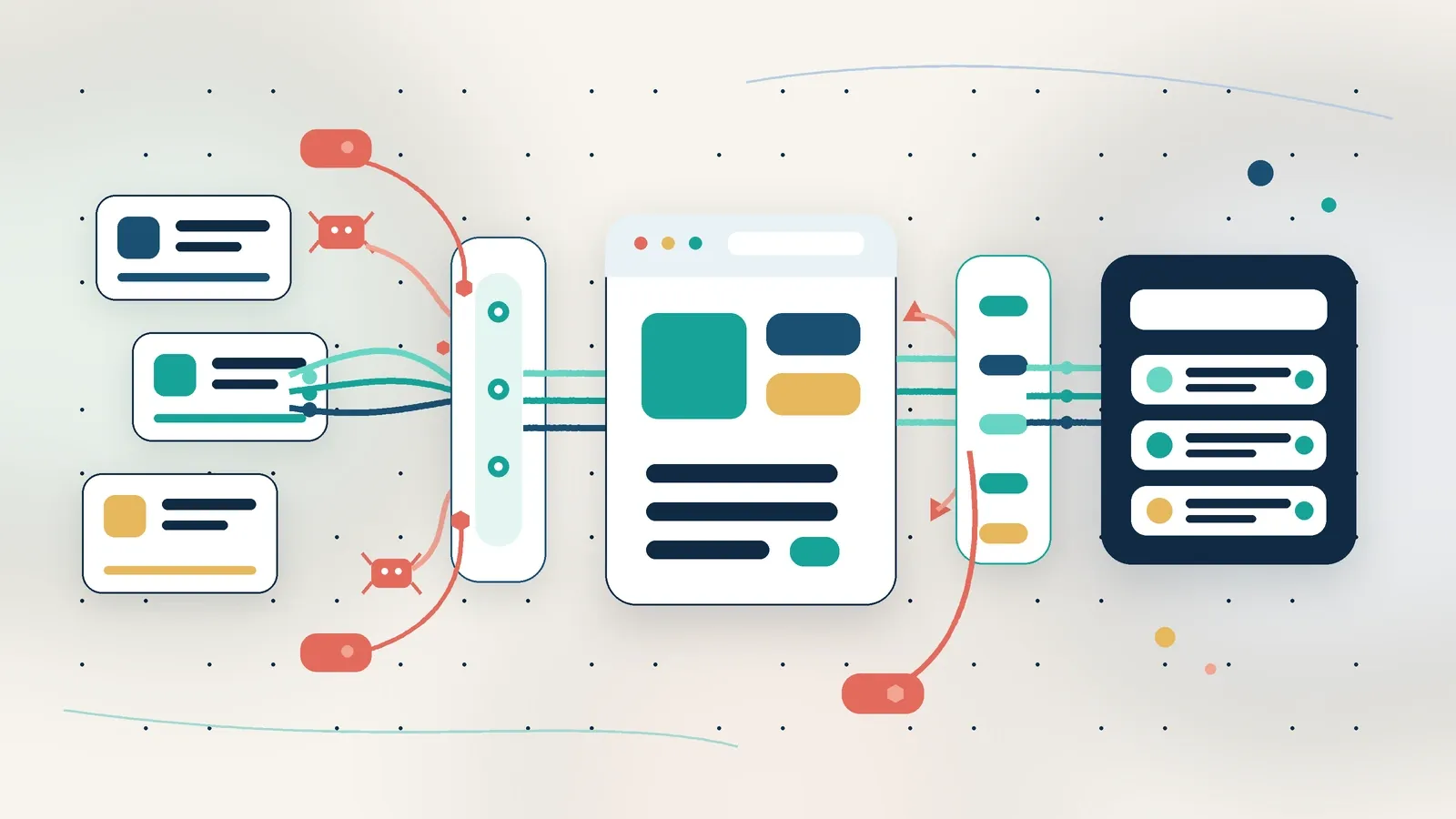
ClickCease alternatives worth shortlisting in 2026 include TrafficGuard, ClickGuard, Fraud Blocker, Lunio and, for teams whose problem starts after the click, LeadShield. They do not solve precisely the same job. Some protect paid traffic. One screens submitted leads. The right choice depends on where bad traffic is costing you money.
That distinction matters. A bot clicking an ad, a competitor repeatedly clicking a search result and a convincing but useless form submission are related problems, not identical ones. Buying a broad anti-fraud suite when you only need cleaner forms can be expensive. Buying a form filter when bots are draining your Google Ads budget will not fix the leak.
Which ClickCease alternatives are worth considering in 2026?
TrafficGuard has the lowest public entry price among the direct click-protection alternatives here for a single Google Search account. ClickGuard suits PPC managers who want granular controls. Fraud Blocker offers transparent pricing and Google/Meta coverage. Lunio is built for larger, multi-channel advertisers. LeadShield is the specialist option when fake form submissions, rather than fraudulent clicks, are doing the damage.
ClickCease itself remains a credible baseline. Its current product covers Google, Meta and Microsoft Ads, alongside website bot protection and HubSpot form validation. The Starter price displayed by ClickCease is $99 a month on the annual-billing view, with a seven-day trial. That breadth is convenient, but it also means some buyers will pay for more than they need.
The table uses public vendor information checked on 20 July 2026. Prices are in US dollars and may change. A vendor's own feature claim is not independent proof that every flagged visit was fraudulent.
| Product | Best fit | Public starting price | Main coverage | Main trade-off |
|---|---|---|---|---|
| ClickCease | Small and mid-sized advertisers wanting one broad suite | $99/month shown on annual-billing view | Google, Meta, Microsoft, WordPress bots and HubSpot leads | Broader package may be unnecessary for a narrow problem |
| TrafficGuard | One Google Search account with up to $30,000 monthly spend | $49/month current promo | Google Search on Shield; more channels on custom Scale plan | Entry plan covers one domain and Google Search only |
| ClickGuard | Hands-on PPC teams wanting detailed rules and reporting | $74/month | Google, Meta and Microsoft | Costs rise with ad spend and reporting needs |
| Fraud Blocker | Cost-conscious Google and Meta advertisers | $79/month | Google, Facebook and Instagram, plus email verification | Protection pauses when the plan's click allowance is exhausted |
| Lunio | Larger advertisers running several paid channels | Custom quote | Google, Bing, Meta, LinkedIn, TikTok and others | Sales-led pricing; enquiry form starts at $500,000 annual ad spend |
| LeadShield | Businesses losing time and CRM quality to fake form leads | $39/month | Email, phone, behaviour, device, IP and message checks | Does not block fraudulent ad clicks |
1. TrafficGuard: a cheap starting point for Google Search
TrafficGuard's Shield pricing is difficult to ignore if most of your spend sits in one Google Search account. The current promotional price is $49 a month for one domain and up to $30,000 in monthly Google Ads spend. Its 30-day trial runs in detection mode, so you can inspect the data before allowing the platform to block anything.
That trial design is sensible. It gives you time to compare flagged clicks against campaign, server and conversion data without changing live traffic on day one. Shield also includes custom frequency and validation rules, automated prevention and click-level reporting.
The limitation is clear. Shield is not a cheap route to full cross-channel coverage. Meta, affiliate and mobile protection sit in the custom-priced Scale offer. If your spend is mainly Google Search, that may not matter. If your budget is split across several networks, compare the full quote rather than the attractive entry price.
2. ClickGuard: more control for active PPC managers
ClickGuard's Lite plan starts at $74 a month, covering one website, one PPC account and up to $5,000 in monthly ad spend. Standard and Pro add more websites, users, reporting depth and protection controls. The vendor lists Google, Meta and Microsoft among its supported platforms.
Its appeal is control. ClickGuard exposes geo, VPN, IP range, non-human, behaviour and conversion exclusion settings, rather than asking the buyer to trust a single unexplained fraud score. That is useful when a PPC manager wants to review why traffic was excluded and tune the rules around a real campaign.
More control also means more work. A small business that wants a set-and-check service may not use much of that flexibility. Before buying, ask which protections are automatic on your chosen plan, how exclusions are written back to each ad platform and what happens when spend rises above the plan band.
3. Fraud Blocker: transparent pricing with a hard usage edge
Fraud Blocker's published pricing is unusually easy to inspect. Standard costs $79 a month for 5,000 ad clicks and one website. Pro costs $99 for 10,000 clicks and five websites. Both include Google and Meta protection, device fingerprinting, VPN and proxy checks, custom blocking rules and email verification allowances.
There is one operational catch worth taking seriously. Fraud Blocker says it does not bill for extra clicks when you exceed the allowance, but protection stops until you upgrade or the next billing period begins. Seasonal advertisers need to watch that ceiling. A cheap plan is not cheap if a launch or busy week leaves the account unprotected.
Fraud Blocker is a reasonable fit for predictable Google and Meta volume, especially when simple email checks are useful as well. Microsoft Ads users should look elsewhere or confirm the current manual process before committing.
4. Lunio: built for bigger, multi-channel budgets
Lunio sits at the other end of the market. It covers paid search, social, display and Performance Max, with named support for networks including Google, Bing, Meta, LinkedIn, TikTok and Reddit. It stores clickstream data for two years and can carry exclusions across channels.
There is no public price. Lunio says its fees are based on ad spend and channel coverage, while its enquiry form begins at $500,000 in annual ad spend. It offers a 14-day traffic audit rather than a self-serve trial.
This is unlikely to be the first call for a local business running one modest search campaign. It makes more sense when a performance team has several channels, enough spend to justify a managed evaluation and people who will act on the reporting. Get the full annual cost, onboarding scope and contract terms in writing before comparing it with self-serve tools.
5. LeadShield: use it when the click is not the real problem
LeadShield belongs in this comparison for a slightly awkward reason: many "click fraud" complaints are really lead-quality complaints. The advert produced a submission, but the email is disposable, the domain has no mail server, the phone is implausible, the form was completed in a fraction of a second or the message is generic spam.
LeadShield does not block paid clicks and should not be sold as if it does. It scores form submissions using email, phone, behaviour, device, IP and message signals, then returns a risk score with plain-English reasons. Plans currently start at $39 a month, with a 14-day trial. The JavaScript snippet works on standard web forms, while iframe forms need an API or webhook workflow.
If sales time, CRM pollution and poor downstream conversion signals are the expensive part, LeadShield's real-time lead screening is the more direct test. Our guide to B2B lead qualification signals explains what those checks can and cannot prove. The wider LeadShield blog covers the same problem from the conversion side rather than treating every weak lead as a fraudulent click.
When is ClickCease still the sensible choice?
ClickCease is still a sensible choice when you want Google, Meta and Microsoft coverage in one self-serve product, need WordPress bot protection, or use HubSpot forms and value a single vendor. Its $99 entry point is not the cheapest here, but replacing one broad tool with two narrow subscriptions can cost more and create extra admin.
There is also some naming confusion in older listings. CHEQ acquired ClickCease in 2020. The current ClickCease terms state that CHEQ Essentials is now known as ClickCease, while some third-party URLs still retain the old name. Treat CHEQ Essentials references as old product naming, not a separate current alternative.
Do not switch because a competitor publishes a bigger fraud percentage or a more impressive detection count. Those figures are hard to compare because vendors use different definitions, traffic samples and thresholds. Test them against your own account instead.
How much can click-fraud software realistically save?
Savings depend on verified invalid spend that the ad platform has not already credited, multiplied by the share the tool prevents. Google says advertisers are not charged for invalid traffic its systems detect. It also warns that third-party tools may flag duplicate IPs or bot traffic Google already excluded. A dashboard's "blocked spend" figure is not automatically cash recovered.
Worked example, using assumptions rather than a customer result: suppose you spend $12,000 a month. After checking Google credits and your own logs, you estimate that 6% of billed spend is genuinely invalid, or $720. If a tool prevents half of that, it protects $360. After a $99 fee, the modelled monthly benefit is $261.
The break-even prevention rate in that example is 0.825% of ad spend: $99 divided by $12,000. That looks easy to clear, but only if the blocked traffic would otherwise have been billed and produced no value. Change the assumptions and the result changes with them.
⚠️ Do not count every repeat visitor, VPN user or fast form completion as fraud. Google notes that multiple clicks from one IP can come from return visits or shared networks. False positives can cost more than the subscription if they exclude genuine buyers.
What should you test before switching?
Run the candidate alongside your existing controls for at least one normal buying cycle. Compare its flags with Google's invalid-click column, billing adjustments, server logs, GCLIDs and downstream lead quality. Check false positives manually. Then judge the tool on verified waste prevented, not the largest number displayed in its dashboard.
🔍 During a trial, record the following for each flagged visit: campaign, keyword or placement, timestamp, GCLID where available, IP and device context, conversion outcome, reason for the verdict, and whether Google had already applied an invalid-activity credit. That evidence is far more useful than a headline fraud rate.
The 2026 Thales Bad Bot Report says bots now account for most global web traffic, based on full-year 2025 activity. That establishes the scale of automation on the web. It does not tell you the fraud rate in your paid campaigns. Your own clean test is the evidence that matters.
✅ Pick the narrowest product that fixes the measured loss. TrafficGuard is the obvious first trial for a single Google Search account. ClickGuard is better for teams that want detailed controls. Fraud Blocker suits predictable Google and Meta volume. Lunio deserves a look at larger multi-channel scale. LeadShield fits when junk submissions, not clicks, are hurting sales.
Frequently asked questions
What is the best ClickCease alternative for a small business?
TrafficGuard is the cheapest public starting point among the direct click-protection alternatives in this comparison at a current promotional price of $49 a month, but its Shield plan is limited to one domain and Google Search. Fraud Blocker and ClickGuard cost more but cover additional platforms. LeadShield starts lower but screens submitted leads rather than blocking ad clicks. The best fit depends on where the loss occurs, not price alone.
Is CHEQ Essentials different from ClickCease?
Not as a current product. ClickCease's terms say CHEQ Essentials is now known as ClickCease. CHEQ acquired ClickCease in 2020, and some review-site URLs still use the older CHEQ Essentials name.
Can Google Ads already block invalid clicks?
Yes. Google's invalid traffic guidance says its systems filter invalid clicks and impressions, adjust reports before billing, and apply credits when invalid activity is found later. Third-party software adds independent detection, reporting and controls, but buyers should check for overlap.
Will LeadShield stop click fraud?
No. LeadShield screens form submissions after a visitor reaches the site. It is useful for disposable emails, implausible contact details, bot behaviour and spam messages. Use a click-protection product when the loss happens at ad-click level.
How long should I test a click-fraud platform?
Use at least one normal buying cycle and avoid judging it during an unusual promotion or outage. Compare flagged traffic with ad-platform credits, logs and real conversion outcomes. Keep the tool only if it reduces verified waste without blocking good prospects.
Fake leads draining your budget?
LeadShield blocks bots, disposable emails and AI spam at the form. 60-second install.
Start free 14-day trial